
3 models / Forklifts
Forklifts
YHONG forklifts cover light to mid-duty handling in warehouses, workshops, yards and production sites. The three-model range is intended for buyers who need straightforward lift trucks that are easy to service and matched to a defined handling task, whether that is pallet movement, truck loading or feeding a production line.
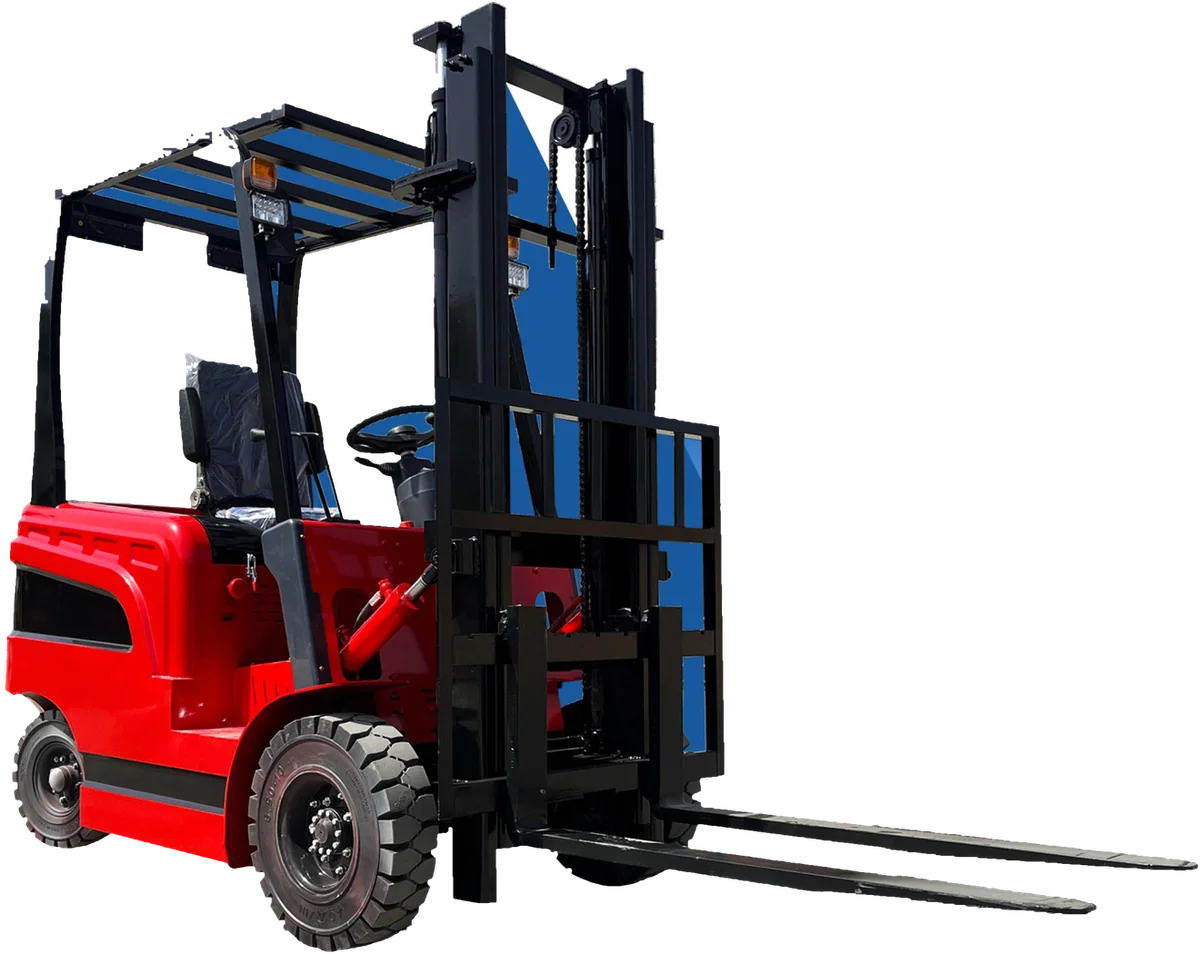
Overview
Forklift selection starts with the load, not the model number. The weight of the load, its centre of gravity, the height it must reach and the aisle width it must turn in together determine the capacity, mast type and chassis size that will do the job safely. A machine rated for a load at one height may handle less once the load is raised or offset, so rated capacity should always be read against the load centre and lift height stated for the configuration. Tyre type follows the surface: pneumatic tyres for uneven yards, cushion or solid tyres for smooth indoor floors. Mast free-lift matters where loads must enter racking or a trailer with limited headroom.
The range suits warehouses, workshops, building material yards, food and packaging plants, and rental fleets that need dependable counterbalance trucks. Operators should be trained on the specific configuration, and sites should confirm that the truck, attachment and load are matched before work starts.
02 / Model range
Every forklift we build.
Open a model for its full specification table and factory quotation.
Forklifts
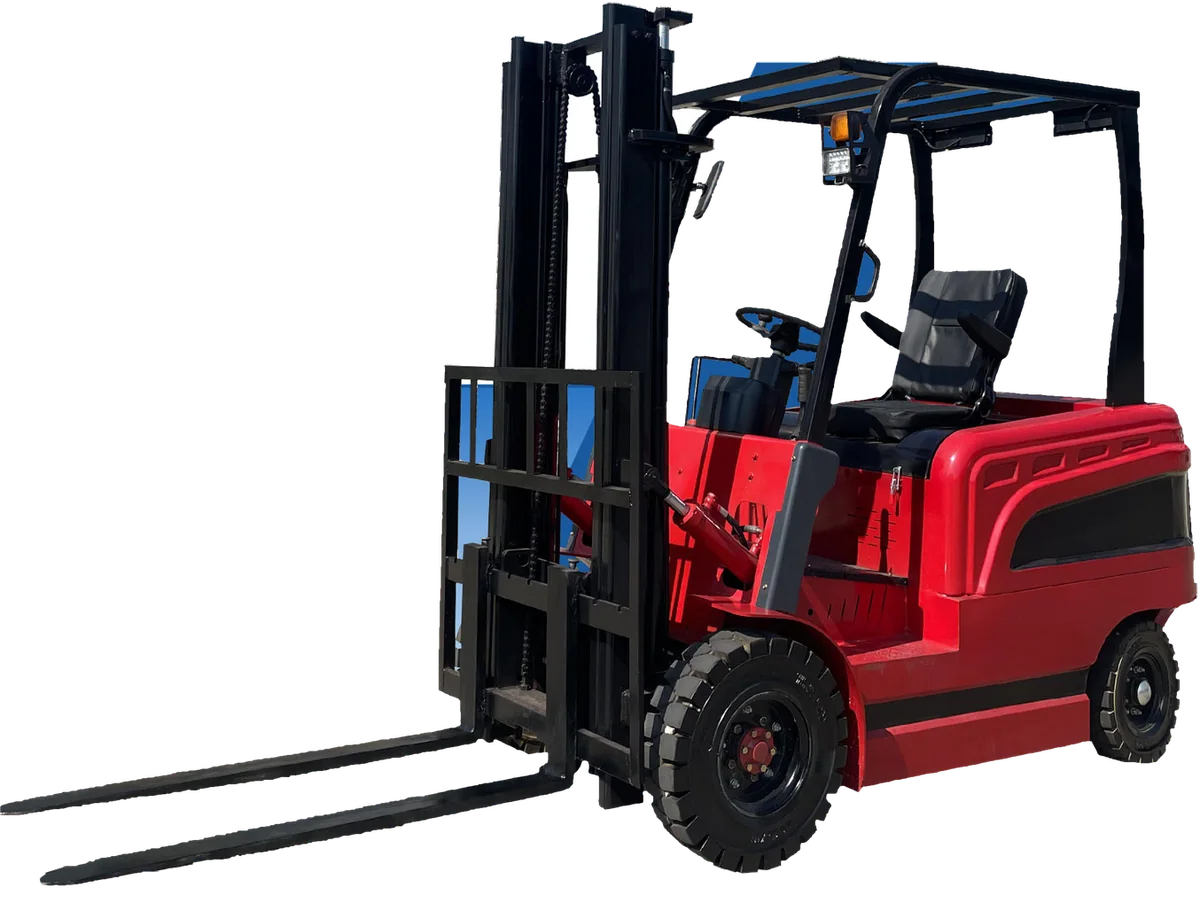
ME15
- Lifting capacity (kg)1500
- Lifting height (m)3 (customizable height)
- Operating voltage (V)60
Forklifts
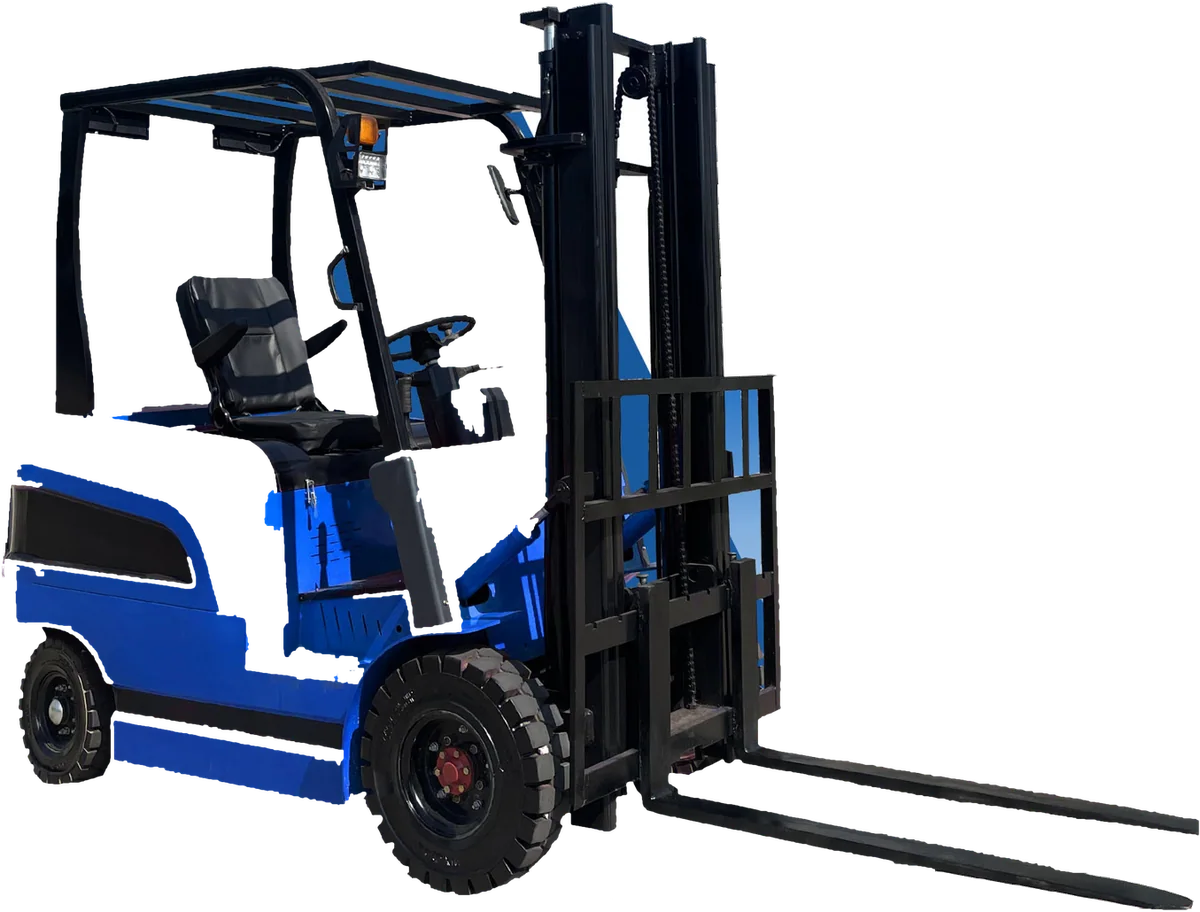
ME20
- Lifting capacity (kg)2000
- Lifting height (m)3 (customizable height)
- Operating voltage (V)60
Forklifts
ME30
- Lifting capacity (kg)3000
- Lifting height (m)3 (customizable height)
- Operating voltage (V)60
03 / Engineering
What every machine shares.
Counterbalance stability
A counterweighted chassis balances the load in front of the operator, which is the basis of safe lifting at height.
Mast and capacity matching
Mast and capacity configuration is selected against load weight, load centre and the height needed at the rack or trailer.
Service-friendly layout
Access to the engine bay, filters and hydraulic components is arranged so routine checks can be completed during a shift change.
Tyres matched to the surface
Tyre choice follows the floor conditions, from pneumatic tyres on rough yards to smooth or solid tyres in warehouse aisles.
04 / FAQ
Forklifts: common questions
How do I choose between the ME15, ME20 and ME30 models?
Start with the heaviest load handled regularly, add the attachment weight, then check the load centre and the height required. The smallest model that covers normal work with margin is usually the most efficient; do not size the truck for a rare peak load.
What is load centre and why does it matter?
Load centre is the distance from the fork face to the centre of gravity of the load. Capacity falls as that distance increases, and attachments such as clamps or extensions move it forward. Always use the capacity stated for the actual configuration.
Can a forklift work outdoors on gravel?
Pneumatic tyres and adequate ground clearance allow work on compacted gravel and yard surfaces, but stability and surface bearing capacity still need checking. Very rough ground or steep ramps may call for a different machine type.
What daily checks should an operator make?
Inspect forks and heels, lift chains, mast rollers, tyres, brakes, horn and lights, and look for hydraulic leaks. Check fluid levels, seat belt condition and the data plate, and report any damage before the truck is used.
Next step
Need a quotation for a forklift?
Send the application, the site conditions and the destination port. We reply with the recommended model, lead time and price.