
12 models / Skid Steers
Skid Steer Loaders
YHONG skid steer loaders are built around a simple idea: a compact, manoeuvrable power unit that carries the attachment the job needs. Wheeled and crawler versions cover hard surfaces and soft ground, and the range extends from small machines for tight yards to larger units for bulk handling.
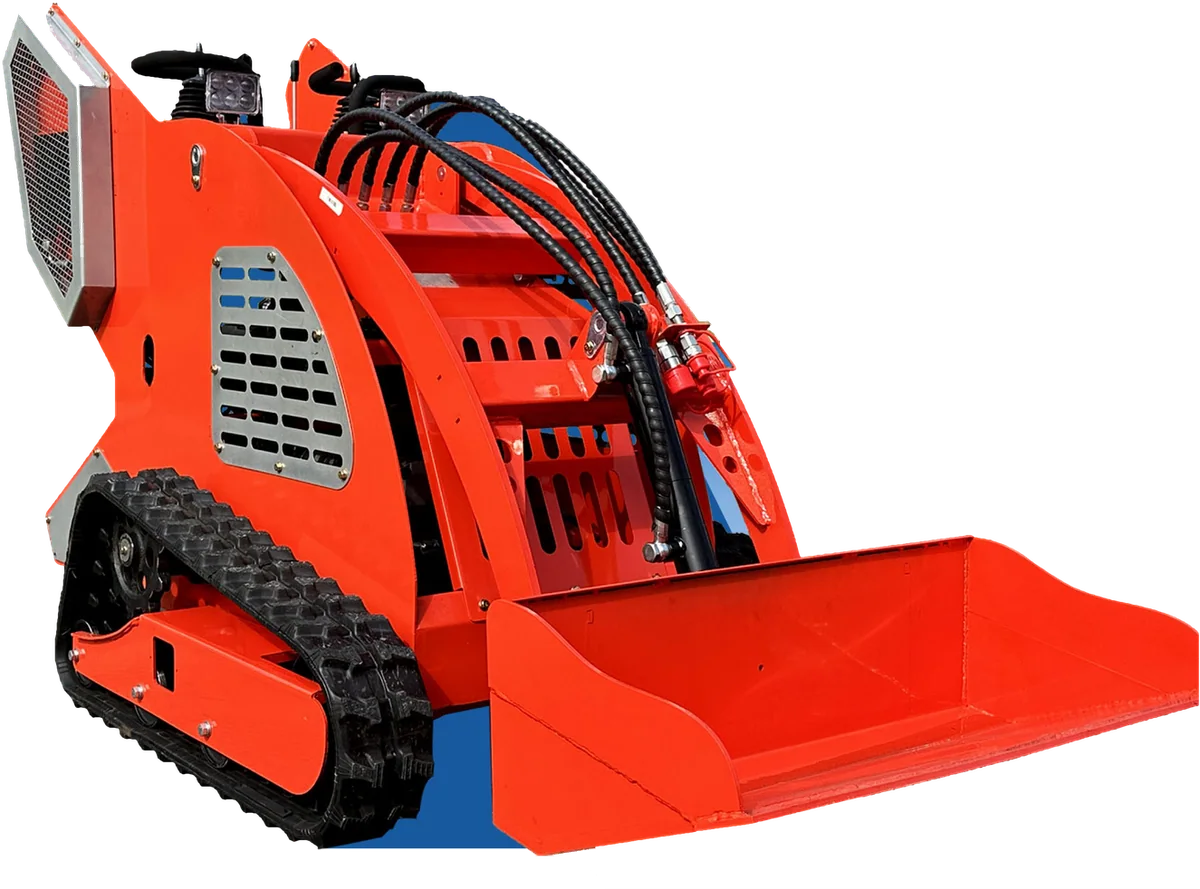
Overview
A skid steer earns its place by turning on the spot and reaching places a conventional loader cannot. That manoeuvrability comes from the wheelbase and drive layout, so buyers should look at how the machine steers, how much it weighs and how it transfers load when the bucket is full and raised. Crawler versions reduce ground pressure and add traction on mud, sand and finished turf, while wheeled versions travel faster on concrete and asphalt. Auxiliary hydraulic flow decides which attachments the loader can run effectively, and a quick-attach interface keeps changeover time short. Visibility to the bucket corners and the attachment, plus easy daily service access, matter as much as raw capacity in rental and contracting work.
Skid steers are used in construction, agriculture, landscaping, warehousing and municipal work, often as the support machine that keeps other equipment productive. Typical tasks include site clearance, material spreading, pallet handling, snow removal and sweeping.
02 / Model range
Every skid steer loader we build.
Open a model for its full specification table and factory quotation.
Skid Steer Loaders
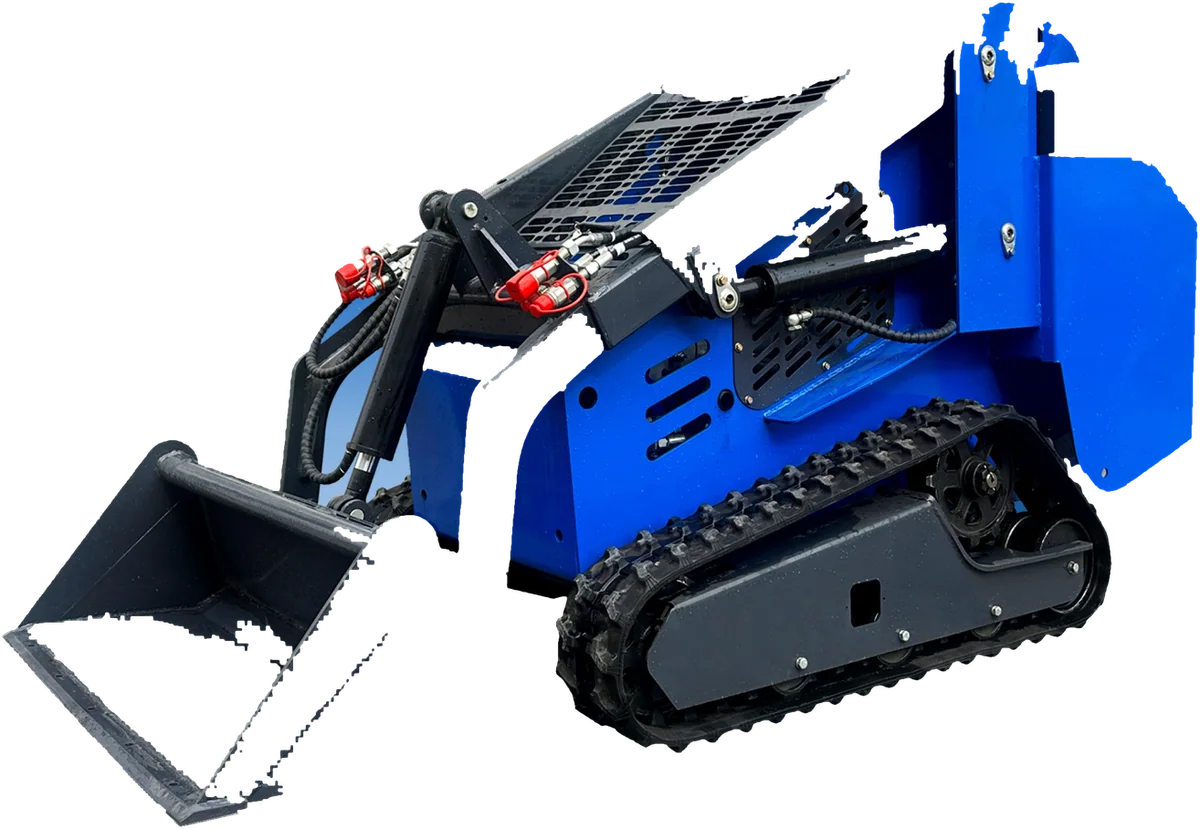
ME1200
- Operating Weight (kg)1200
- Bucket Capacity (m³)0.12
- Max. Power (kW)11.2
Skid Steer Loaders
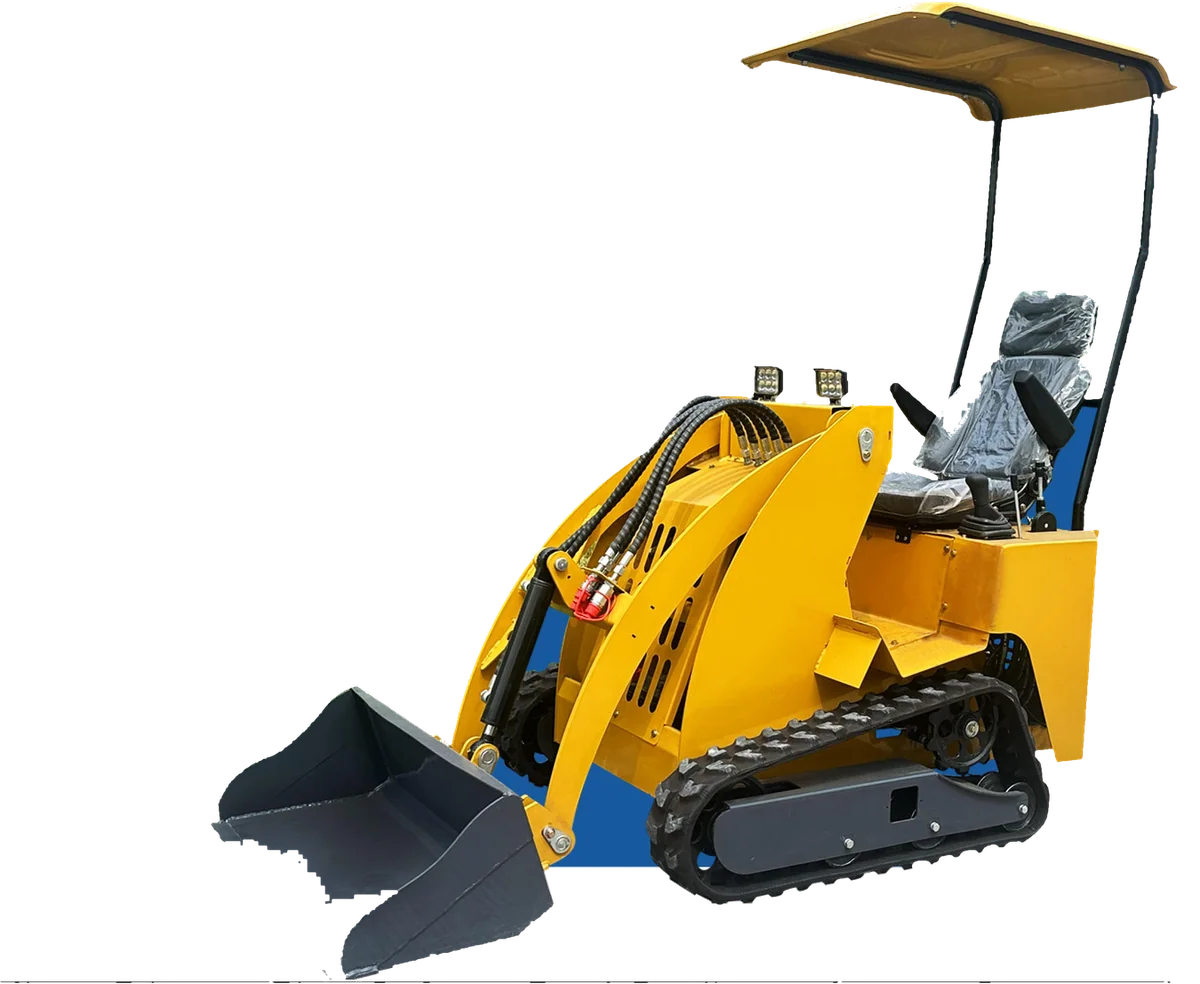
ME275
- Machine Operating Weight (kg)520
- Bucket Capacity (m³)0.15
- Engine Model420
Skid Steer Loaders
ME280
- Load Capacity (kg)500
- Total Weight550kg
- Bucket Capacity0.15
Skid Steer Loaders
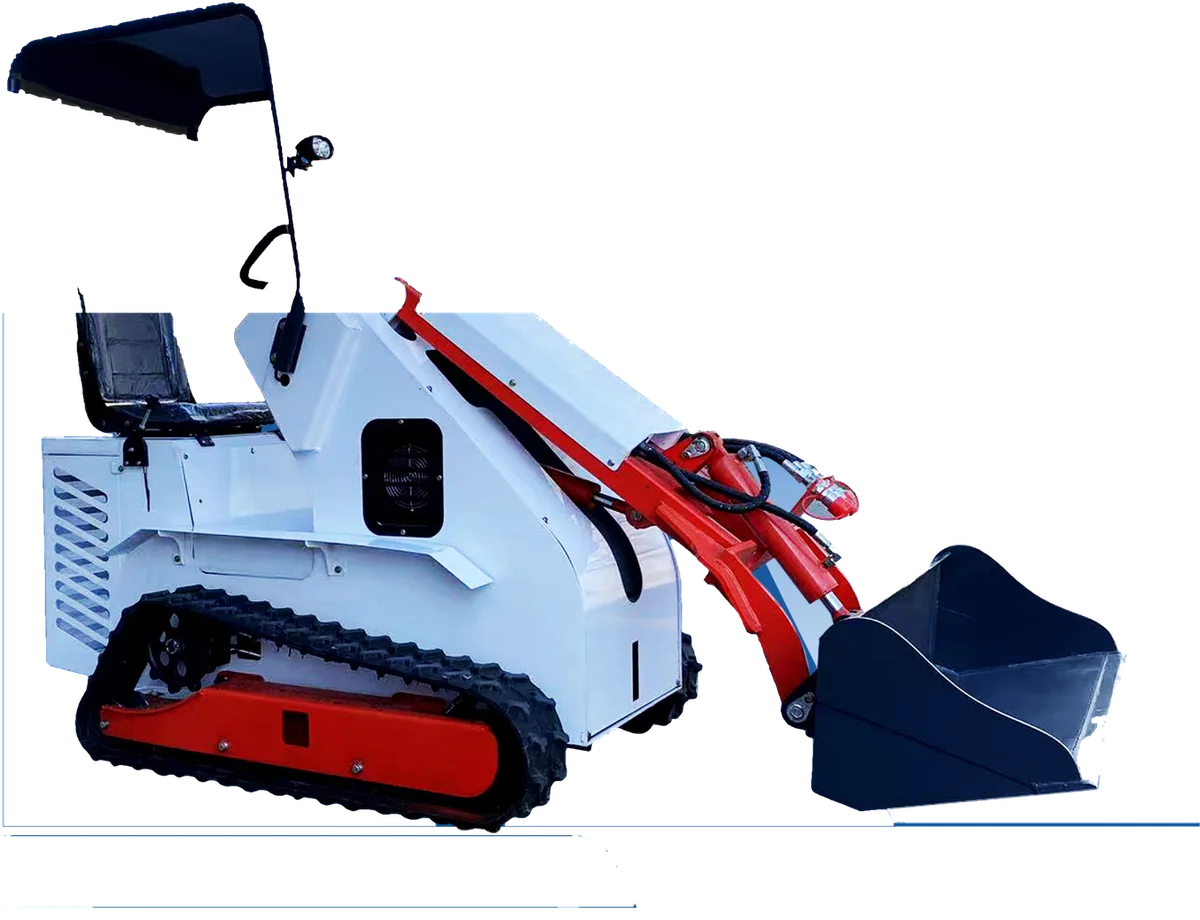
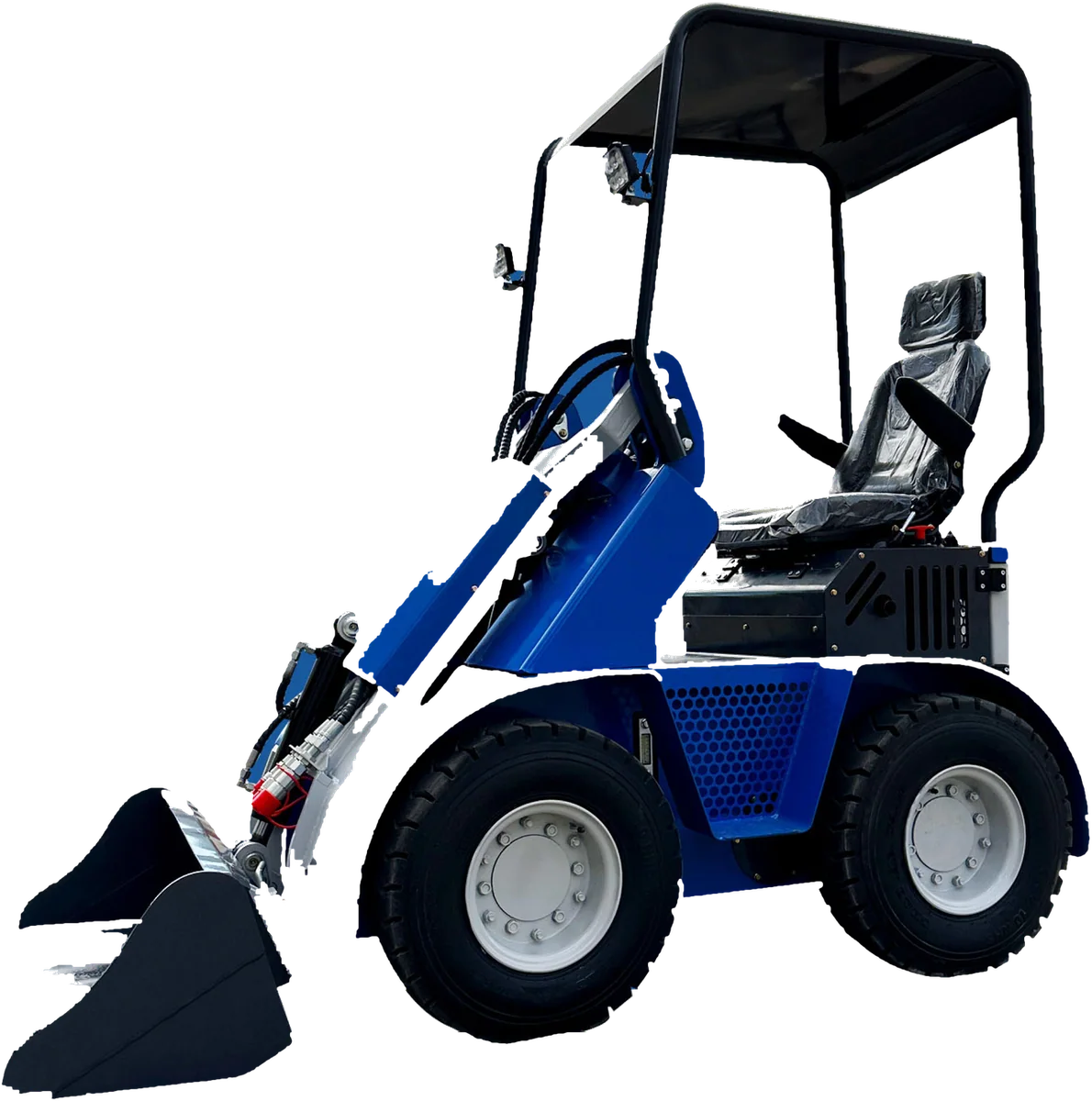
ME290-crawler
- Bucket capacity (m³)0.09
- Maximum power (kW)8.5
- Engine model and brandRuntong 420
Skid Steer Loaders
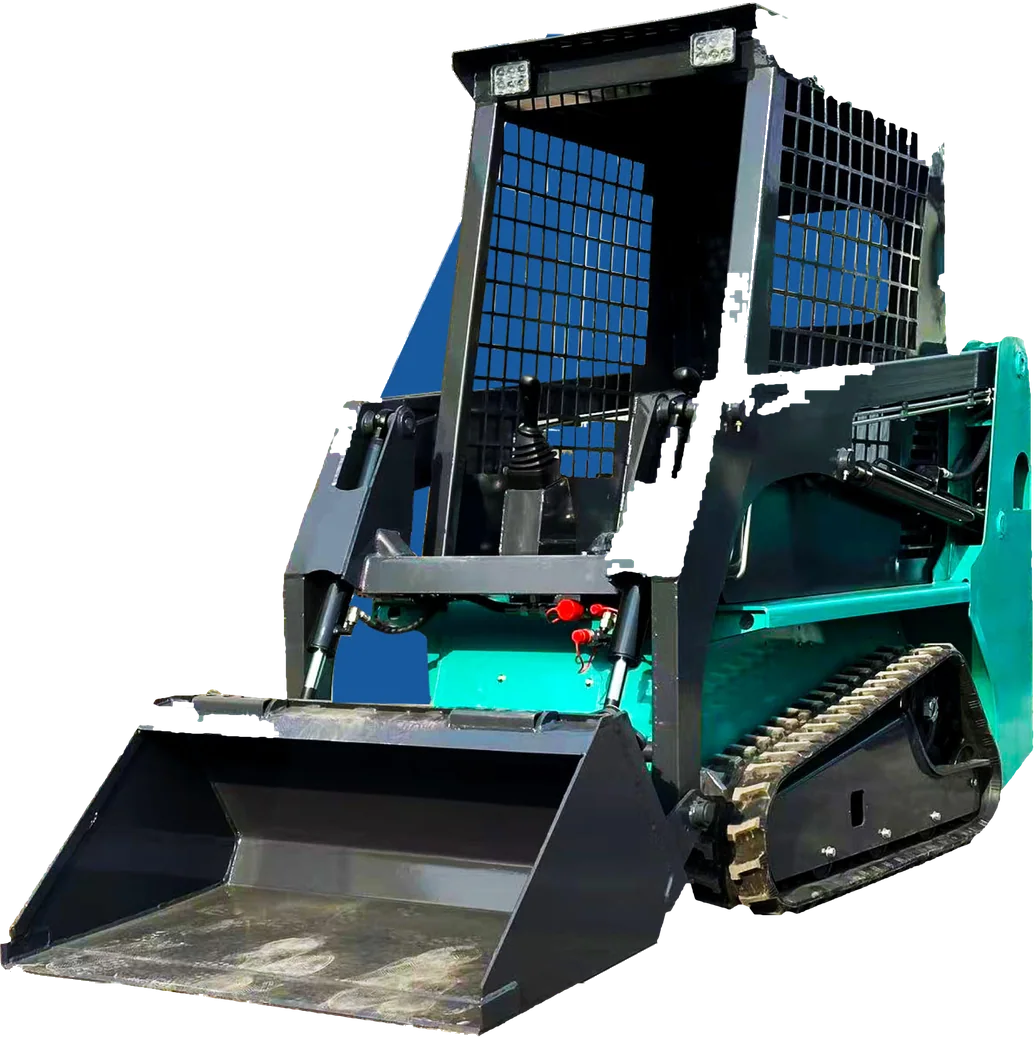
ME290-wheeled
- Operating Weight (kg)770
- Bucket Capacity (m³)0.15
- Overall Dimensions (mm)2542 × 1106 × 2100
Skid Steer Loaders
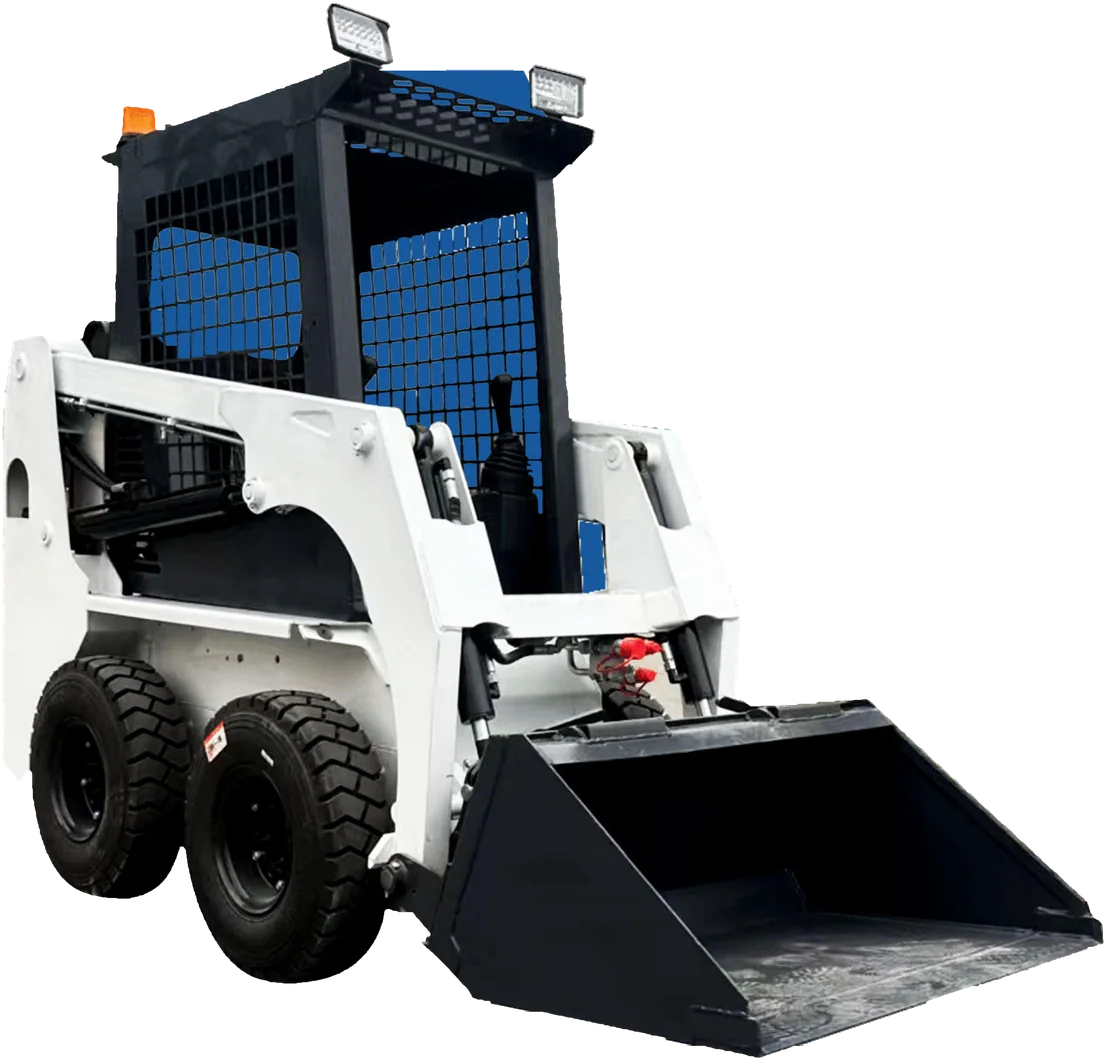
ME35-crawler
- Operating Weight (kg)2400
- Overall Dimensions (mm)2660 × 910 × 1810
- Engine Model825D
Skid Steer Loaders
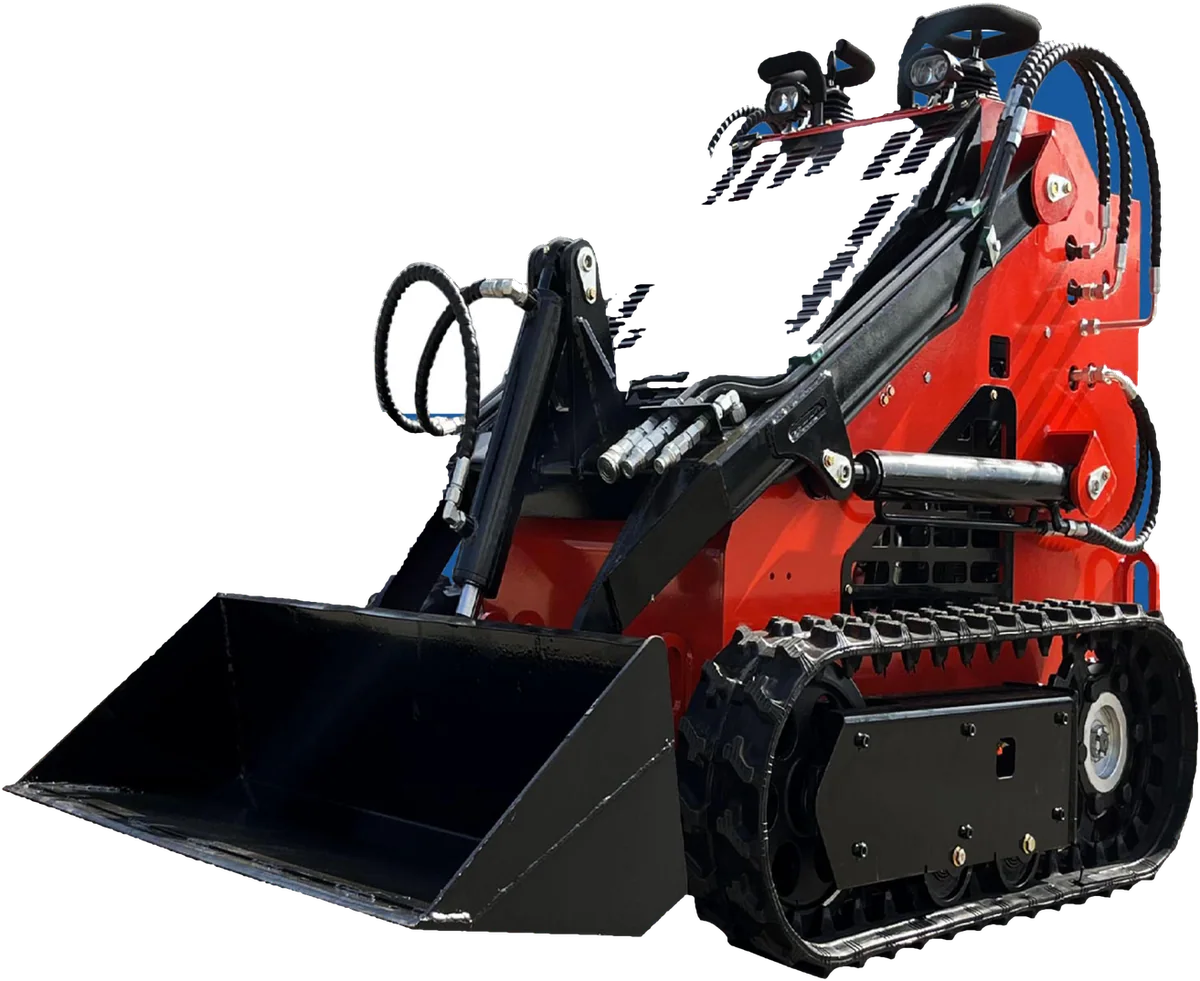
ME35-wheeled
- Operating Weight (kg)2400
- Overall Dimensions (mm)2660 × 910 × 1810
- Engine Model825D
Skid Steer Loaders
ME380-1-crawler
- Operating Weight (kg)875
- Overall Dimensions (mm)2055/2285 × 1090 × 1270
- Engine ModelR740
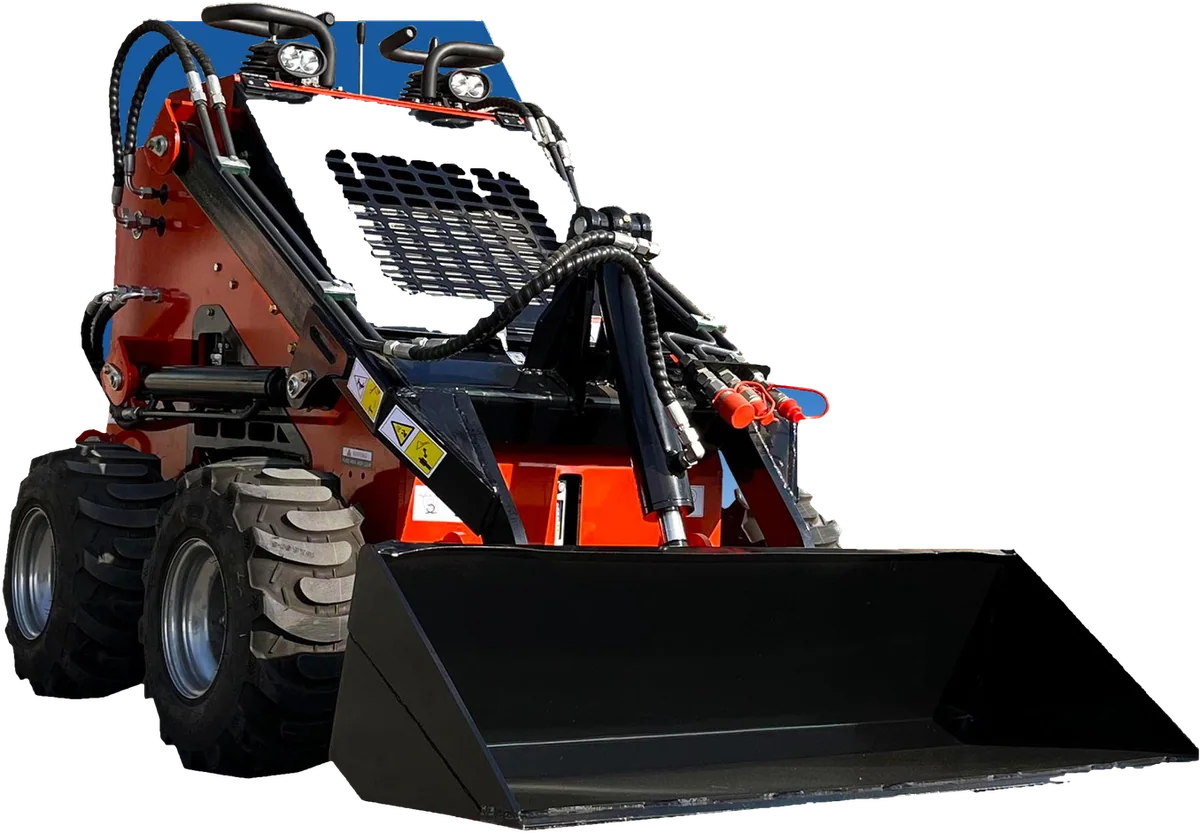
Skid Steer Loaders
ME380-1-wheeled
- Operating Weight (kg)875
- Overall Dimensions (mm)2055/2285 × 1090 × 1270
- Engine ModelR740
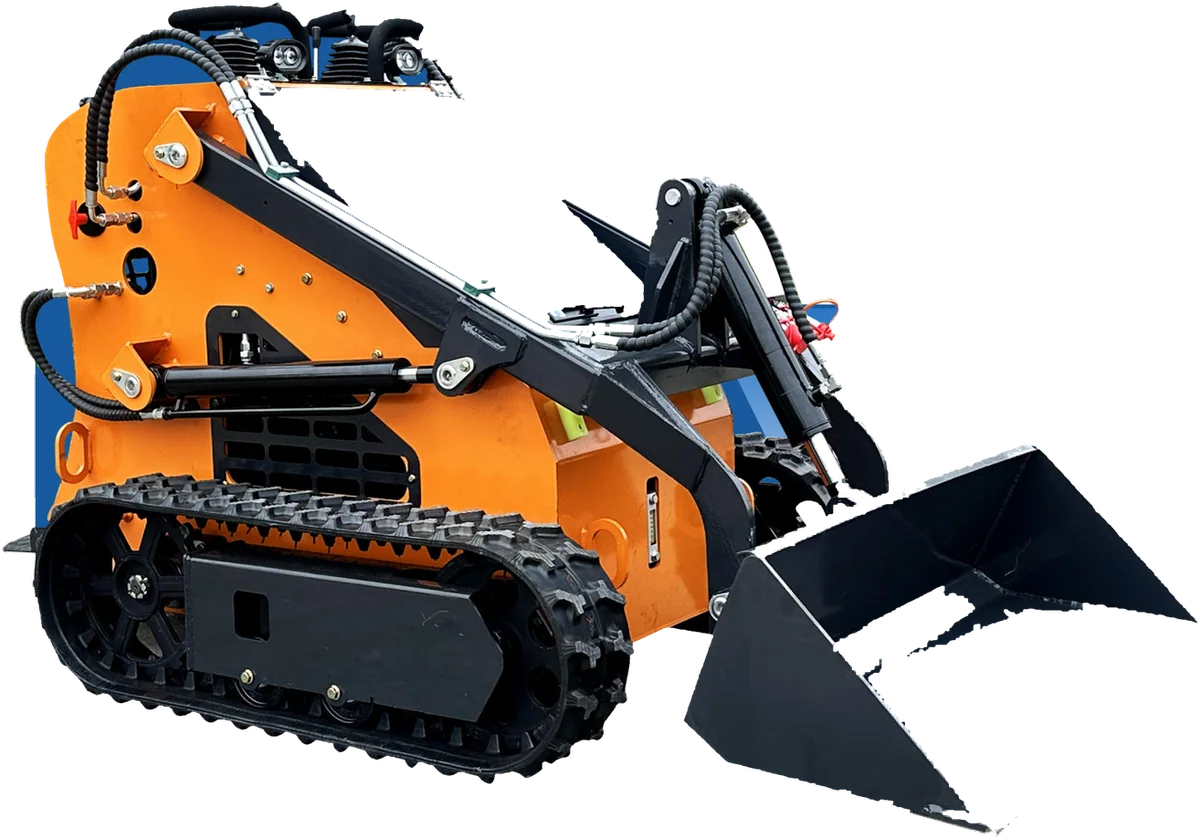
Skid Steer Loaders
ME380-2
- Rated load (kg)200
- Bucket capacity (m³)0.15
- Maximum power (kW/rpm)16.8/3600
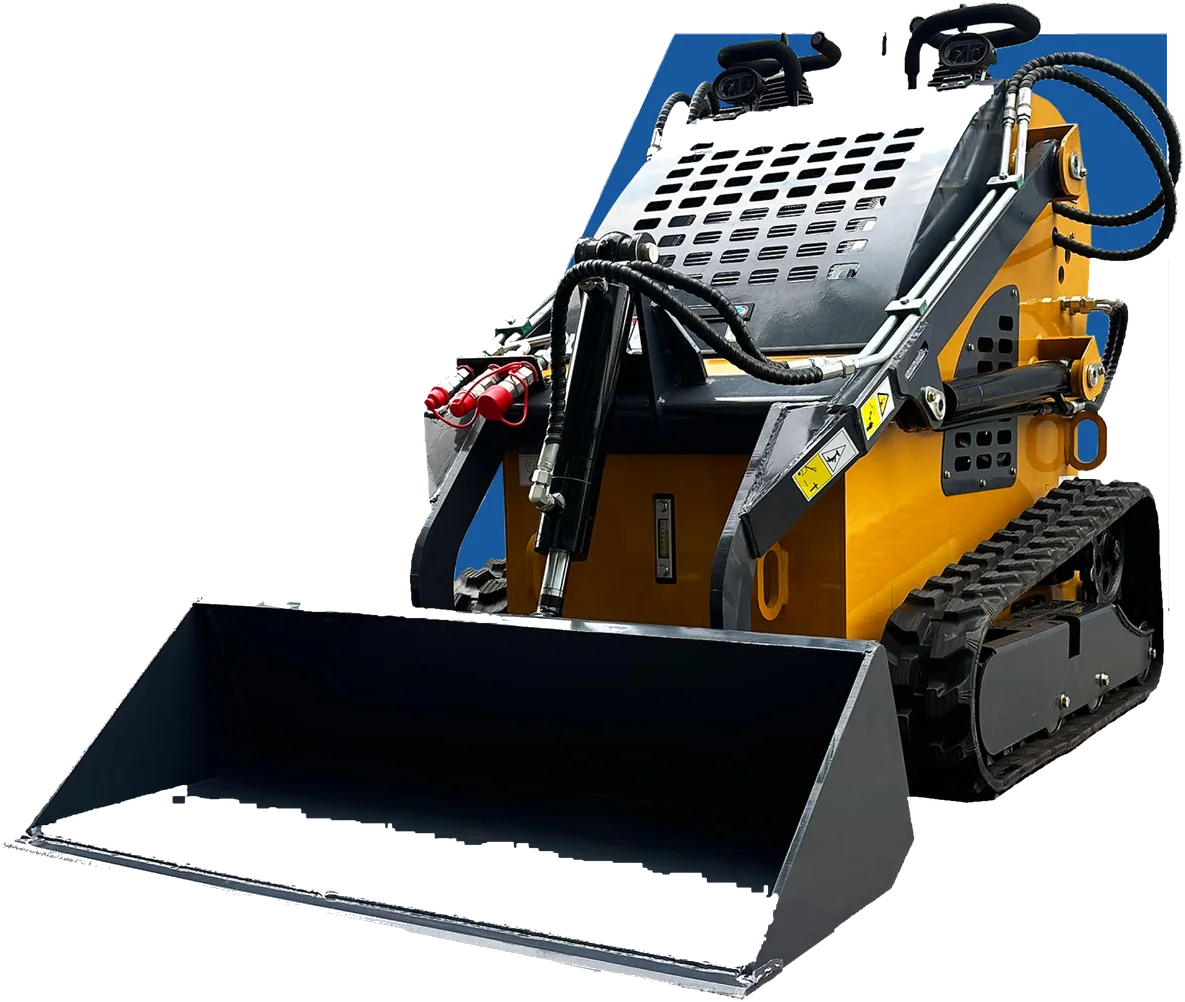
Skid Steer Loaders
ME380-3
- Rated load (kg)200
- Bucket capacity (m³)0.15
- Maximum power (kW/rpm)16.8/3600
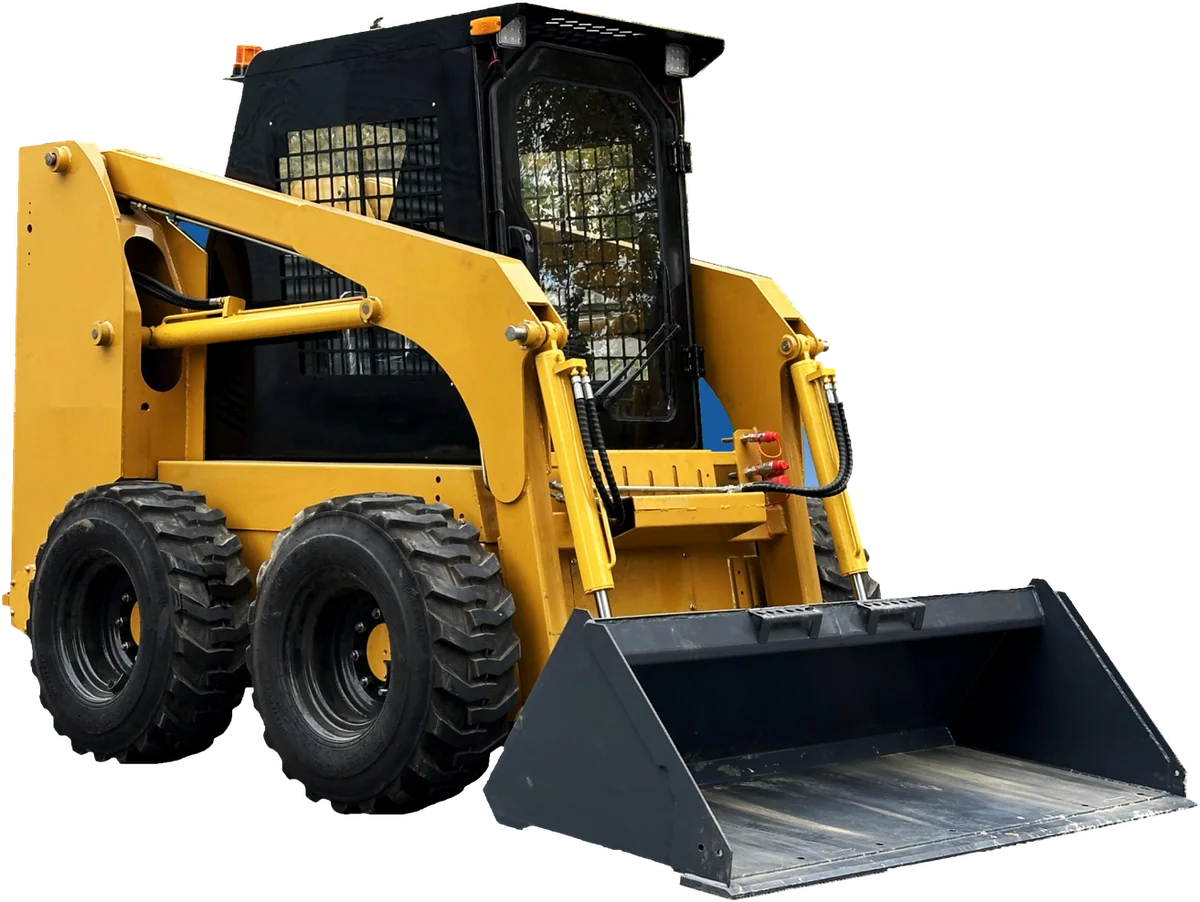
Skid Steer Loaders
ME65
- Operating Weight (kg)3400
- Overall Dimensions (mm)1950 × 875 × 1320
- Engine ModelV27
03 / Engineering
What every machine shares.
Wheeled and crawler undercarriages
Wheeled models suit hard standing and faster travel, while crawler versions spread weight and hold traction on soft or finished ground.
Quick-attach tool interface
A common attachment interface lets one loader move from bucket to forks, sweeper or breaker without a long changeover.
Compact turning envelope
A short wheelbase and skid-steer layout allow the machine to turn within its own length, which helps in yards, sheds and tight site corners.
Operator access and visibility
A low entry threshold, clear sightlines to the bucket edge and grouped daily checks help operators work efficiently through long shifts.
04 / FAQ
Skid Steer Loaders: common questions
What is the difference between a wheeled and a crawler skid steer?
Wheeled machines travel faster on concrete and asphalt and are simpler to maintain, but can mark finished surfaces. Crawler versions spread load, grip better in mud and sand, and suit soft or sensitive ground, at the cost of speed and undercarriage wear.
Can a skid steer use the same attachments as a compact track loader?
Many attachments share a common mounting interface, but hydraulic flow, lifting capacity and machine weight still have to match. Check the attachment's flow and pressure requirements against the specific loader before adding it to a fleet.
How is skid steer lifting capacity determined?
Rated operating capacity is defined at a stated load centre and must be reduced as the load moves forward or an attachment is fitted. Use the data plate and the attachment weight, and never treat the figure as a limit for every bucket or fork position.
What should rental companies consider when specifying a skid steer?
Look at the attachment range, control layout, daily service access and parts availability. A common control pattern across the fleet reduces operator induction, and protective guards and interlocks should suit the sites the machines will be hired to.
Next step
Need a quotation for a skid steer loader?
Send the application, the site conditions and the destination port. We reply with the recommended model, lead time and price.