
3 models / Road Rollers
Road Rollers
YHONG road rollers cover compact asphalt paving, patch repairs, footpaths and base layer work. The three-model range is intended for contractors and rental fleets that need consistent compaction on surfaces from driveways to access roads.
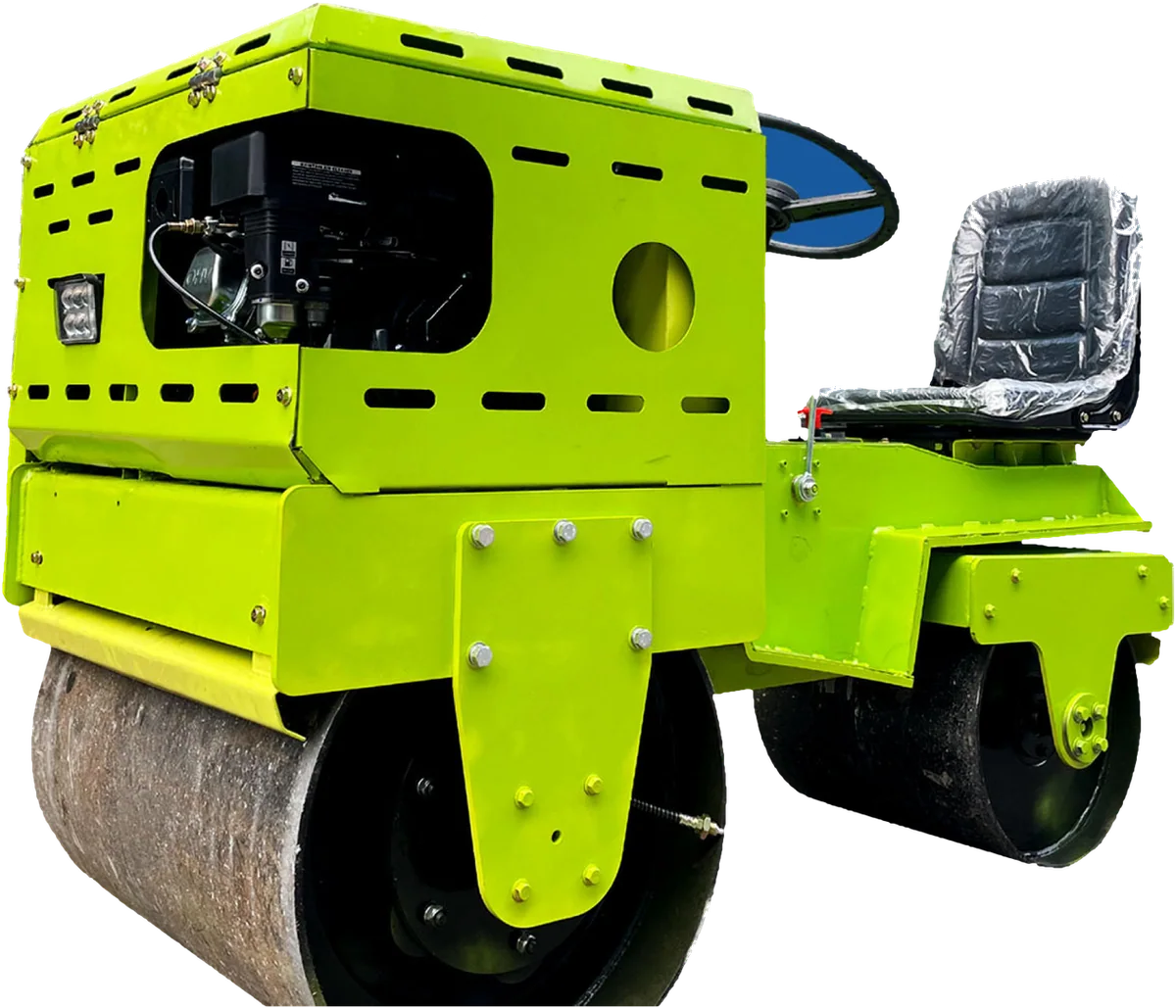
Overview
Compaction is about passes and consistency, not just machine size. A roller that is too heavy for the layer can fracture aggregate or mark fresh asphalt, while one that is too light will not reach the required density within a sensible number of passes. Vibration frequency and amplitude, drum width and the number of passes together determine the result. On asphalt, the roller should work from the low edge to the high edge with the drive drum leading, keeping the surface warm enough to close. On granular base layers, weight and vibration do most of the work. Water spray keeps the drum clean and prevents pick-up, and edge access decides whether a narrow drum is needed.
Typical users include paving contractors, civil engineering crews, municipal maintenance teams, landscaping firms and rental yards. Applications range from driveways, car parks and footpaths to patch repairs, trench reinstatement and access roads.
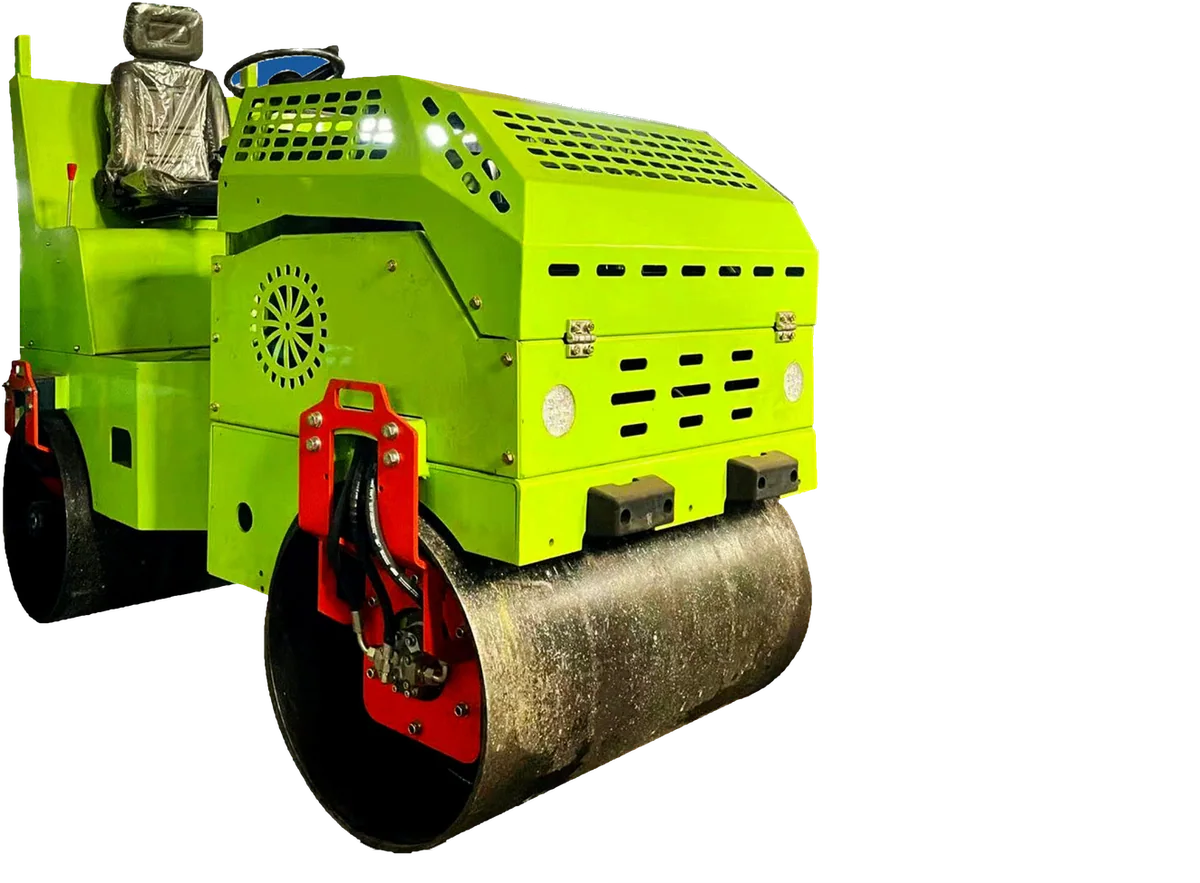
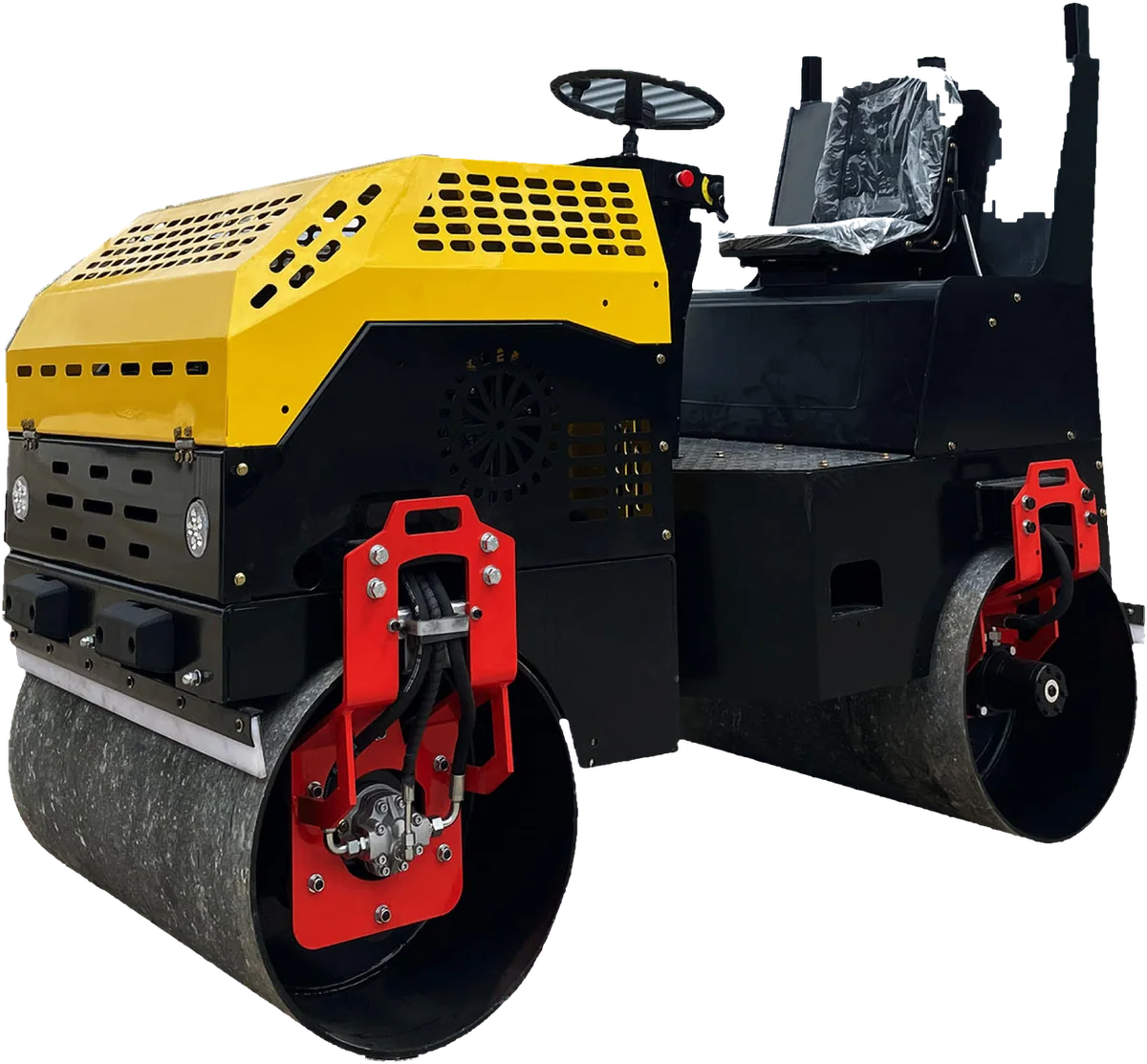
02 / Model range
Every road roller we build.
Open a model for its full specification table and factory quotation.
03 / Engineering
What every machine shares.
Drum width for the access
Narrow drums reach footpaths, trenches and edges, while wider drums cover more ground per pass on open paving.
Vibration for layer density
Vibratory compaction helps reach density in granular and asphalt layers, with settings chosen for the material and lift thickness.
Water spray system
A controlled spray keeps the drum wet so asphalt does not pick up, which protects the surface finish.
Compact frame and turning
A tight turning circle lets the roller work close to kerbs, walls and plant without repeated repositioning.
04 / FAQ
Road Rollers: common questions
How many passes does a road roller need?
There is no fixed number. It depends on layer thickness, material, temperature, roller weight and vibration. Establish a trial section, check density with testing, and use the pass count that reaches specification without over-working the surface.
What is the difference between static and vibratory compaction?
Static rolling relies on machine weight alone. Vibration adds energy that helps particles rearrange, which suits granular layers and thicker lifts. Thin layers, fresh asphalt and sensitive surfaces may need static passes or reduced vibration to avoid damage.
Can a road roller compact on a slope?
Only within its stability and braking limits. Avoid transverse rolling on steep gradients, keep the drum on the downhill side where possible, and check the manufacturer's guidance. Very steep or narrow slopes may need different equipment.
What maintenance matters most on a roller?
Keep drum bearings, vibration components and brakes in good order, and clean spray nozzles and filters so water flow stays even. Check hydraulic hoses and drum surfaces regularly, and store the machine with the drum protected from corrosion.
Next step
Need a quotation for a road roller?
Send the application, the site conditions and the destination port. We reply with the recommended model, lead time and price.